
 11 고객 리뷰
  저희 제품에 신심을 갖고 시험에 도전해보세요.


사이트에서는 어떤 버전의 자료를 제공하고 있나요?
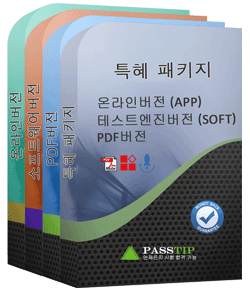
온라인버전: 휴대폰에서 사용가능한 APP버전으로서 사용하기 가장 편한 버전입니다.
소프트웨어버전: 실제 시험환경을 체험할수 있는 프로그램입니다.
PDF버전: PDF버전 덤프는 인쇄가능한 버전이기에 출력하셔서 공부하실수 있습니다.
세가지 버전의 문제는 모두 같습니다. 많은 분들이 PDF버전을 먼저 공부한후 소프트웨어버전이나 온라인버전으로 실력테스트를 진행하고 있는데 세가지 버전중 한가지 버전만 구매하셔도 되고 원하시는 두가지 버전을 구매하셔도 되고 패키지로 세가지 버전을 모두 구매하셔도 됩니다.
덤프구매후 시험에서 실패한다면 보상정책이 있나요?
시험문제 변경시점은 저희도 예측할수 없는 부분이라 오늘 덤프를 구매했는데 내일 시험문제가 변경된다면 시험 적중율이 떨어지기 마련입니다. 이런 경우 덤프 주문번호와 불합격 성적표를 메일로 보내오시면 구매일로부터 60일내에 주문이라면 덤프비용 전액을 환불해드리고 60일이 지난 주문이라면 추후 덤프가 업데이트될시 업데이트버전을 무료로 제공해드립니다.
구매한 C_TS452_2601덤프가 업데이트될시 최신버전은 어떻게 받는지요?
덤프를 구매하시면 구매일로부터365일내에 업데이트된 버전은 무료로 제공해드리는데 덤프가 업데이트되면 시스템 자동으로 구매기록을 체크하여 고객님 구매시 사용한 메일주소에 최신버전 덤프가 발송됩니다.
할인혜택은 있나요?
저희 사이트에서는 구매의향이 있으신 분께 할인코드를 선물해드립니다.결제시 할인코드를 적용하시면 보다 저렴한 가격에 품질좋은 덤프를 구매하실수 있습니다.
결제후 C_TS452_2601제품을 받는 시간에 대해 알고 싶어요.
C_TS452_2601덤프를 주문하시면 결제후 즉시 고객님 메일주소에 시스템 자동으로 메일이 발송됩니다. 발송된 메일에 있는 다운로드 링크를 클릭하시면 덤프를 다운받을수 있습니다.
C_TS452_2601덤프업데이트주기가 어떻게 되시는지요?
덤프는 구체적인 업데이트주기가 존재하지 않습니다. 저희는 2일에 한번씩 덤프가 업데이트 가능한지 체크하고 있습니다. 체크시 덤프가 업데이트 가능하다면 바로 업데이트하여 고객님께서 구매하신 덤프가 항상 최신버전이도록 보장해드립니다.
C_TS452_2601덤프의 각 버전은 어떤 시스템에 적용하나요?
PDF버전은 Adobe Reader、 OpenOffice、Foxit Reader、Google Docs등 조건에서 읽기 가능하고 소프트웨어버전은 Java환경에서 진행하는 Windows시스템에서 사용가능합니다.온라인버전은 WEB브라우저 즉 Windows / Mac / Android / iOS 등 시스템에서 사용가능합니다.
SAP C_TS452_2601 시험 요강 주제:
| 섹션 | 비중 | 목표 |
|---|---|---|
| 소비 기반 계획 및 공급처 결정 | 10% - 15% | - 공급업체 평가 기능 구성 - 자재 소요량 계획 절차 및 로트 크기 설정 - 공급처 목록 및 할당 비율 설정 정의 |
| 조달 프로세스 | 20% - 25% | - 구매부터 대금 지급까지 전체 워크플로우 실행 - 유연한 워크플로우 및 결재 전략 구성 - 구매 요청서, 구매 주문서 및 계약 관리 |
| 기업 구조 및 기초 데이터 | 15% - 20% | - 계정 결정 및 평가 기준 구성 - 기업 구조 정의 및 구성 - 사업 파트너, 자재 마스터 및 구매 정보 레코드 관리 |
| 물류 송장 검증 | 15% - 20% | - 송장 처리 및 차이 사항 관리 - 재무 회계 모듈과의 통합 - 자동 송장 차단 및 해제 기능 구성 |
| 재고 관리 | 15% - 20% | - 자재 이동 및 재고 이전 처리 - 특수 조달 유형 관리: 외주 가공, 위탁 판매, 파이프라인 조달 - 실물 재고 조사 절차 실행 |
최신 SAP Certification Exams C_TS452_2601 무료샘플문제
1. <strong>CHALLENGE 1 — Requisition Flow Alignment Across Plants and Buying Groups</strong> During integrated validation, the project team notices that two plants create similar purchase requisitions for the same category of stock material, but one plant’s requisitions move into the expected downstream purchasing path while the other plant’s requisitions require repeated buyer intervention before conversion.
The shared procurement lead wants the team to validate the template without introducing plant-specific shortcuts. What is the best first action?
A) Compare organizational assignments and procurement-relevant master data used by the two plants before changing requisition processing behavior
B) Instruct buyers to create more complete requisition texts so downstream processors can choose the correct route manually
C) Allow each plant to define its own requisition handling rules until rollout volume becomes stable
D) Reduce approval involvement for the slower plant so both plants can convert requisitions at comparable speed
2. A nutritional-products manufacturer is validating centrally governed quantity-contract sourcing in SAP S/4HANA Cloud Private Edition for a business unit that is retiring a spreadsheet used to track supplier commitments. Buyers can create and release contracts, and approved purchase requisitions are available for conversion. For most ingredient groups, purchase-order creation correctly applies the released contract source and expected commitment quantities. However, for one supplement ingredient group, the purchase order is created with the correct supplier but does not consume the expected contract commitment values during validation.
The same contract design works for another ingredient group in the same purchasing organization. The sourcing lead wants the issue corrected before the spreadsheet tracker is retired. Buyers must not update commitment tracking manually, and the solution must remain standard and transportable for later rollout waves.
What should the consultant check first?
A) Verify whether the affected ingredient group is correctly included in the contract-consumption and source-binding settings used during PO creation.
B) Ask buyers to record the missing contract consumption manually until the sourcing rollout is complete.
C) Broaden buyer authorization so the missing contract-consumption step can be completed during order creation.
D) Rebuild requisition approval because approved demand should always reduce the related contract commitments automatically.
3. A regional building-materials supplier is onboarding a newly acquired purchasing unit into SAP S/4HANA Cloud Private Edition while retiring the unit’s legacy procurement setup. Material and supplier data were migrated, and purchase requisitions can be created and approved. Buyers can also create draft purchasing documents for the new unit. However, when they attempt to use planned supplier assignments for recurring replenishment items, the system consistently ignores the intended supplier arrangement for that unit and proposes only a fallback source. In an already-integrated unit, the same arrangement works correctly for comparable items.
The rollout sponsor wants the issue corrected before the acquired unit exits its legacy support period. Local manual supplier switching is not acceptable because sourcing consistency is part of the approved operating model, and future acquisitions will use the same integration approach.
What should the consultant check first?
A) Recreate the affected materials because repeated fallback sourcing usually indicates incomplete product master migration.
B) Allow the buyers to continue with the fallback source until the new unit completes its first quarter in the shared model.
C) Verify whether the new unit has the required organizational and master-data assignments for the intended supplier arrangement to participate in standard sourcing determination.
D) Add a custom sourcing rule that forces the planned supplier for the new unit until the integration program is complete.
4. A cold-chain pharmaceutical distributor is validating post-count stock adjustment in SAP S/4HANA Cloud Private Edition while migrating a regional warehouse from a local inventory tool into the shared stock-control template. Physical inventory documents can be created, count entry works, and variance review completes for most storage zones. However, for one refrigerated product group in the migrated warehouse, the system leaves the document in a completed-review state and blocks the final adjustment posting. The same product group works correctly in an already stabilized warehouse, and other product groups in the migrated warehouse post without issue.
The migration lead wants the defect corrected before mock cutover. Manual stock correction is not allowed, and the warehouse process must remain standard because the same migration template will be reused for other regional sites.
What is the most appropriate first action?
A) Recreate the inventory documents because blocked final adjustments usually begin with count-entry inconsistency.
B) Check whether the migrated warehouse has refrigerated-group-specific status or control settings preventing the transition from reviewed variance to final posting.
C) Ask warehouse users to process the refrigerated product group through the stabilized warehouse until the migration is complete.
D) Broaden warehouse authorization so users can force the final adjustment for the blocked documents.
5. <strong>CHALLENGE 1 — Source Allocation Stability for Shared Component Demand</strong> During remediation validation, two plants process comparable demand for the same engine component under the shared procurement template. Both plants create purchase documents successfully, but one plant later requires local source correction to keep replenishment aligned with the intended supplier pattern. The template office wants a result that can be reused in the next rollout wave.
What is the best first validation action?
A) Move all replenishment for the component to one plant until remediation is signed off
B) Compare how source-allocation preparation was applied for the representative component scenarios before changing downstream handling
C) Narrow approval handling for the component family so both plants can move replenishment faster
D) Allow the affected plant to continue using local source correction until promotion approval is complete
질문과 대답:
| 질문 # 1 정답: A | 질문 # 2 정답: A | 질문 # 3 정답: C | 질문 # 4 정답: B | 질문 # 5 정답: B |


코닥닥 -
결과적으로 보면 꽤 높은 점수로 합격받았습니다.
PassTIP덤프가 시중에서 가장 최신버전이라 하여 구매했는데 구매한 보람이 있네요.
C_TS452_2601시험 보려는 분들은 덤프가 유효할때 빨리 시험보는게 좋지 않을가 생각되어 후기 올려봅니다.